Efficient Oak Brook Top Remodeling Contractor Services Available
Building Your Dream Home: Essential Tips for a Productive Renovation Project
Designing a dream home is a meticulous process that requires careful planning. It starts with a clear vision and carefully established goals. Residents must assess their financial plan and schedules carefully. Selecting the right building materials is essential for both durability and aesthetics. Additionally, hiring trustworthy contractors can greatly influence the project's success. However, even the best plans can encounter obstacles. Recognizing how to overcome these obstacles is critical for attaining the intended result.
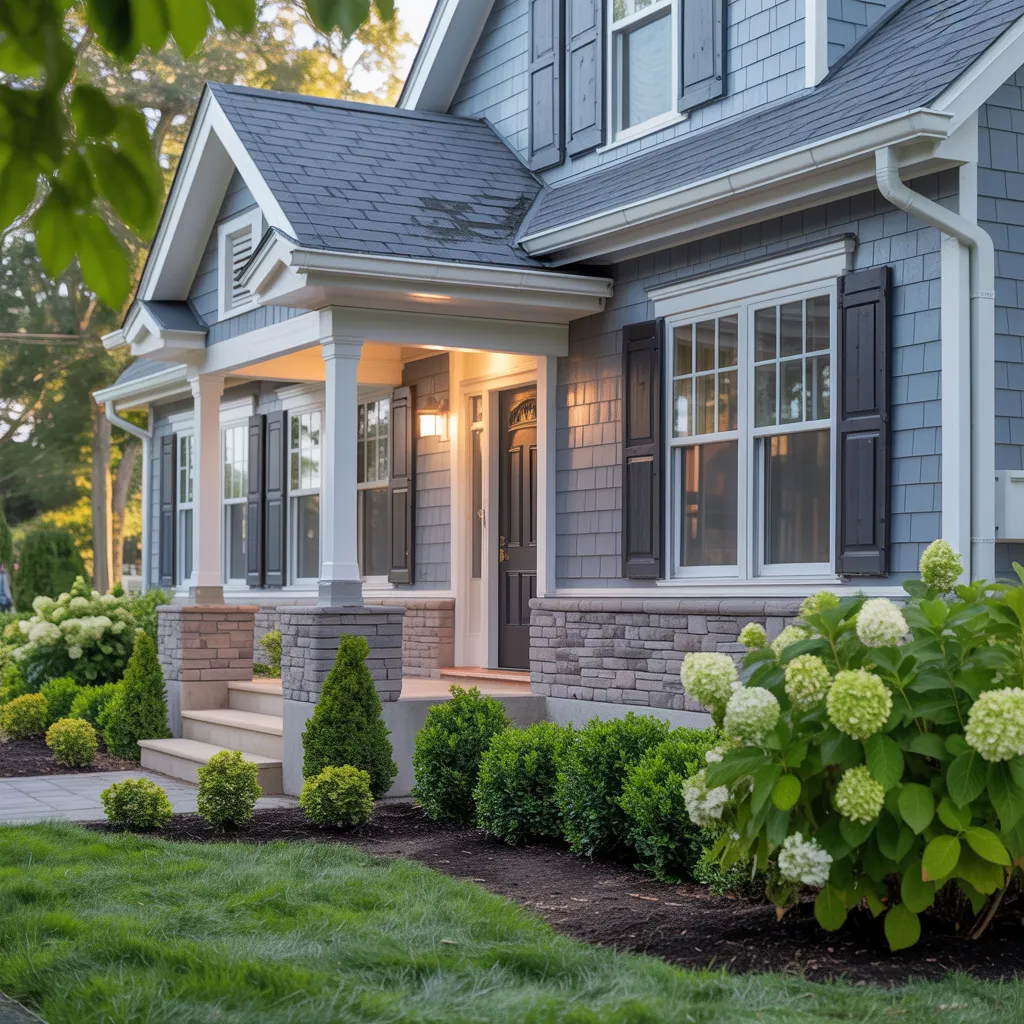
Clarify Your Vision and Goals for Your Renovation
Identifying a set of goals and a vision for a remodeling project is vital for achieving the desired results, as it sets the foundation for all subsequent decisions. A defined vision helps homeowners articulate what they are looking for from the remodeling project, whether it's upgrading functionality, elevating the overall look, or maximizing property value. Goals should be precise, quantifiable, attainable, applicable, and time-sensitive (SMART), enabling a structured approach to the remodel.
Homeowners must think about their day-to-day lifestyle choices and preferences, as well as the architectural design of their property. Taking part in planning discussions, drawing ideas from design publications or digital resources, and sharing thoughts with household members can help develop and clarify this vision. Prioritizing aspects such as space utilization, energy efficiency, and sustainability can also shape the renovation objectives. Ultimately, a well-defined vision guides the selection of materials, layouts, and design elements, producing a unified and rewarding end product.
Set a Realistic Budget for Your Remodeling Project
Developing a realistic budget is vital for any remodeling undertaking. This begins with a detailed evaluation of your financial situation, making sure that funds are accessible to support desired changes. Prioritizing important renovations will help allocate resources efficiently, aligning priorities with monetary limits.
Review Your Financial Situation
Before starting the process of transforming a home through remodeling, it is crucial to assess one's financial situation to ensure a feasible budget is created. This process involves examining existing income, savings, and potential financing solutions. Homeowners should consider potential unexpected costs that may emerge during the renovation journey, ensuring a buffer is included in the budget. Analyzing bids from contractors can offer better insight into expected costs. Furthermore, prioritizing needs versus wants will support informed decisions about what remains feasibly accomplishable within the budget limitations. By carefully examining these factors, property owners can create a budget that matches their goals while preserving fiscal balance throughout the home improvement endeavor.
Prioritize Key Renovations
When homeowners start the journey of remodeling their dream home, prioritizing key renovations becomes essential for setting a realistic budget. Determining which spaces need urgent updates helps allocate resources effectively. To illustrate, prioritizing structural fixes or vital systems including plumbing and electrical guarantees safety and functionality. Next, homeowners should look into visual enhancements that increase value, such as kitchen and bathroom renovations.
Developing an ordered list of priorities supports strategic decision-making, guarding against unnecessary expenditure on inessential additions. By analyzing the possible return on investment for each renovation, homeowners are able to make informed choices that correspond with their plans while remaining financially responsible. In the end, a comprehensive priority list lays the groundwork for a well-executed and budget-conscious renovation.
Finding the Right Durable and Stylish Materials for Your Home Remodel
How does one strike a balance between durability and aesthetic appeal when selecting materials for a remodel? Addressing this challenge calls for careful evaluation of both function and aesthetics. Superior materials like porcelain tiles and quartz countertops provide exceptional durability while elevating aesthetic appeal. In terms of flooring, hardwood or engineered wood offers enduring quality and refined style, making them widely favored alternatives.
Furthermore, incorporating sustainable materials, like recycled glass and bamboo, can improve the overall look while supporting eco-conscious practices. Both color and texture serve vital functions; picking finishes that enhance the broader design theme can establish a unified appearance without diminishing material resilience.
Additionally, accounting for the individual needs of each area is essential. As an example, moisture-resistant materials are necessary in bathrooms and cooking areas, while living spaces may emphasize warmth and comfort. In the end, a careful mix of long-lasting and beautiful materials promises a makeover that endures over time and expresses unique character.
Tips for Choosing Dependable Contractors
Selecting reliable contractors is vital for a smooth home project. Homeowners ought to carry out detailed research on prospective contractors, ensuring they check all essential credentials and permits. Additionally, evaluating past project experience can offer meaningful information into the contractor's trustworthiness and caliber of work.
Research Potential Contractors
When starting on the journey to construct a ideal home, choosing the right contractor is a crucial step that can significantly impact the outcome of the project. Researching potential contractors involves a number of important approaches. First, homeowners should seek recommendations from trusted friends, family members, or online reviews to build a list of potential candidates. Following that, touring completed work can reveal details about a contractor's skills and professionalism. It is also beneficial to hold interviews, asking about past experience, deadlines, and preferred communication methods. Furthermore, gathering several estimates allows for a greater insight into market rates and services offered. By diligently vetting potential contractors, homeowners can guarantee they choose a professional who matches their goals and can achieve outstanding results.
Verify Credentials And Licenses
After narrowing down potential contractors, confirming their credentials and licenses is a critical next step in ensuring a trustworthy partnership. Homeowners ought to confirm that every contractor possesses the necessary state and local licenses required for their specific trade. These credentials frequently demonstrate a foundational level of expertise and alignment with industry requirements. Moreover, validating proper insurance coverage is equally important; contractors are expected to maintain liability insurance to cover potential damages and workers' compensation to address job-related injuries. Homeowners can also consult local regulatory boards or online databases to confirm the validity of these credentials. A contractor's standing can be additionally evaluated through client reviews and ratings, underscoring the significance of comprehensive vetting prior to reaching a final decision.
Examine Prior Project Experience
A detailed assessment of a contractor's past project experience can significantly impact a homeowner's selection process. Assessing past assignments allows homeowners to evaluate the standards, methods, and breadth of a contractor's work. This evaluation can include inspecting earlier project sites, reviewing project photos, and reviewing customer feedback. Homeowners should ask about specific projects similar to their own and request referrals to better understand the contractor's reliability and professionalism. A track record of producing excellent outcomes is critical, as it reflects the contractor's ability to meet expectations. Moreover, understanding the timeline and budget adherence of past projects can supply important insight for prospective engagements. By carefully vetting past work, homeowners can make informed choices when choosing reliable professionals.
Creating a Project Timeline: Key Steps
Defining a well-defined project timeline is essential for anyone starting on the journey of building their ideal home. A properly organized timeline helps make certain that all phases of the renovation process are managed efficiently. Initially, homeowners should outline their project goals and create a budget. This provides the groundwork for a realistic timeline.
Following this step, one should break down the project into distinct stages, such as construction, design, and permitting, attributing anticipated time periods to each. One must communicate with the contractors involved to incorporate their input, as they often deliver guidance on foreseeable challenges and resource availability.
Defining checkpoints across the project timeline facilitates progress evaluation and schedule modifications as required. In addition, homeowners ought to consider potential phase overlaps to enhance overall efficiency. By following these key steps, individuals can create a thorough timeline that guides them toward a successful remodeling experience.
Addressing Common Remodeling Challenges
A great number of homeowners experience obstacles during home improvement projects, that can negatively impact schedules and finances. Typical challenges encompass unforeseen structural complications, delays in the supply chain, and poor communication with contractors. These challenges can lead to frustration and increased costs.
To address these obstacles, homeowners should focus on careful planning. Carrying out a comprehensive assessment before the project begins can identify possible problems in advance. Building strong communication with contractors is also essential; consistent follow-ups can help tackle complications without delay.
Flexibility is vital when managing delays. Homeowners should build extra time into their schedules to account for unforeseen circumstances. Additionally, having a reserve fund can ease financial strain when unanticipated costs emerge.
Tips for Making Your Remodel Eco-Friendly
Setbacks during remodeling often prompt homeowners to reconsider their approach, such as how to incorporate sustainable practices. Through the use of sustainable materials, homeowners are able to considerably diminish their renovation's impact on the environment. This includes using reclaimed wood, bamboo, or recycled metal, which not only reduces waste but also adds character to the home.
Energy-conscious appliances and fixtures are vital; choosing ENERGY STAR-rated products can reduce utility costs and carbon footprints. Introducing natural illumination through thoughtfully situated windows or skylights boosts energy efficiency while fostering a more appealing ambiance.
Water efficiency may be accomplished by fitting flow-reducing faucets and dual-flush toilets. Additionally, adding effective insulation and thermally efficient windows helps boost total home comfort and effectiveness.
In conclusion, hiring contractors specializing in sustainable practices ensures that eco-friendly techniques are incorporated smoothly throughout the remodeling project. This comprehensive approach not only benefits the environment but also creates a healthier living environment.
Frequently Asked Questions
How Should I Decide Which Areas to Remodel First?
To prioritize remodeling areas, one should assess safety, functionality, and overall budget. Primary areas such as kitchens and bathrooms frequently provide the greatest investment returns. It is also important to assess the potential impact on home value alongside personal lifestyle requirements.
What Permits Are Required for My Remodeling Project?
For a remodeling project, essential permits usually encompass building, electrical, plumbing, and zoning permits. Since local regulations differ, working closely with the local building department ensures compliance and prevents potential legal complications throughout construction.
How Do I Make Sure My Remodel Boosts My Home's Value?
To guarantee a remodeling project enhances property value, homeowners should prioritize sought-after improvements like kitchen and bathroom renovations, improve the exterior appearance, select premium materials, and look into energy-efficient options that attract future homeowners.
What Are My Options if I Change My Mind During the Process?
If a change of mind occurs amid a remodeling project, the property related information owner must communicate promptly with the contractors involved, consider the impact on the overall budget and project timeline, and assess whether modifications align with overall goals before proceeding with modifications.
How Can I Keep Stress Under Control During My Home Remodeling Project?
To reduce anxiety during a home remodeling project, one should maintain open communication with contractors, define reasonable expectations from the start, establish a clear timeline, give yourself time to decompress as needed, and focus on the end vision to alleviate anxiety.